
Gary Finnestad
Yosemite, 1980s–todayForty years in Yosemite's backcountry, most of them spent keeping the High Sierra Camps themselves alive — the maintenance chief whose name is quietly on the map between Vogelsang and Merced Lake.
Every other story on these pages belongs to history. This one is still being written. Gary Finnestad has lived and worked in Yosemite for the last forty years, and for most of that time the High Sierra Camps have been his working ground — the tent frames, the water lines, the kitchens, the trails between them. If Nic Fiore was the camps' host, Gary is their keeper. There may be no one alive who knows these five camps — as physical, working places — better than he does.
Forty years in the park
The mountains had him long before Yosemite did. Gary grew up in the Northwest, playing hockey and spending every season he could climbing the local mountains — Rainier, Baker, and the rest of the Cascade volcanoes; later he homesteaded in Alaska, living the kind of self-reliant, far-from-the-road life the backcountry demands. By the time he reached the Sierra, he already knew how to make a remote place work.
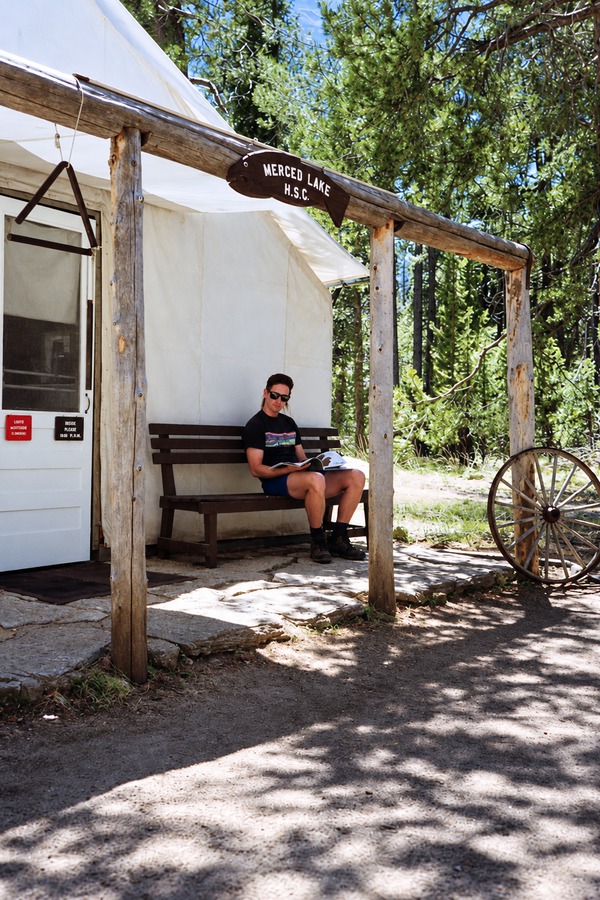
Gary came to Yosemite in the mid-1980s and never left. He worked at Merced Lake — the oldest and most remote of the five camps — for many years, part of the small crews that make a backcountry camp run day to day. Along the way he climbed every peak in the Clark Range and most of the summits around the Yosemite high country — the same skyline the camps were built to put within reach.
Setups, teardowns, and everything between
The camps live on a hard annual rhythm: erected each spring after the snow releases the high country, taken down each fall before it returns. Gary has done that seasonal setup and teardown more times than almost anyone — the unglamorous, essential work that decides whether a camp opens at all. Today he is Yosemite's head of backcountry maintenance, responsible for the infrastructure the whole high-country operation stands on; in winter he keeps the lifts and lodge country running with maintenance work at Badger Pass. Summer and winter, four decades on, his year still follows the mountains' calendar.
Gary's Pools
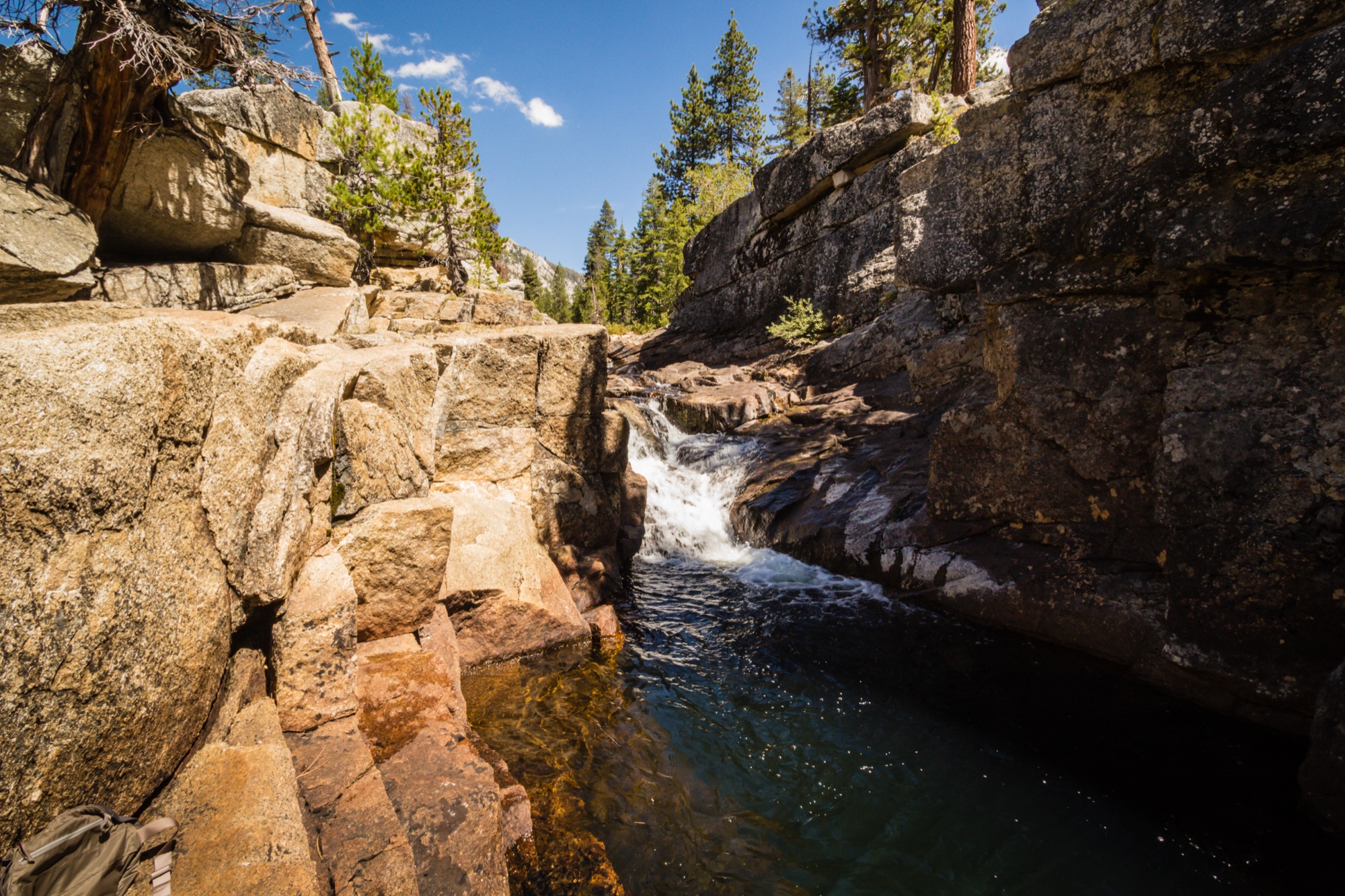
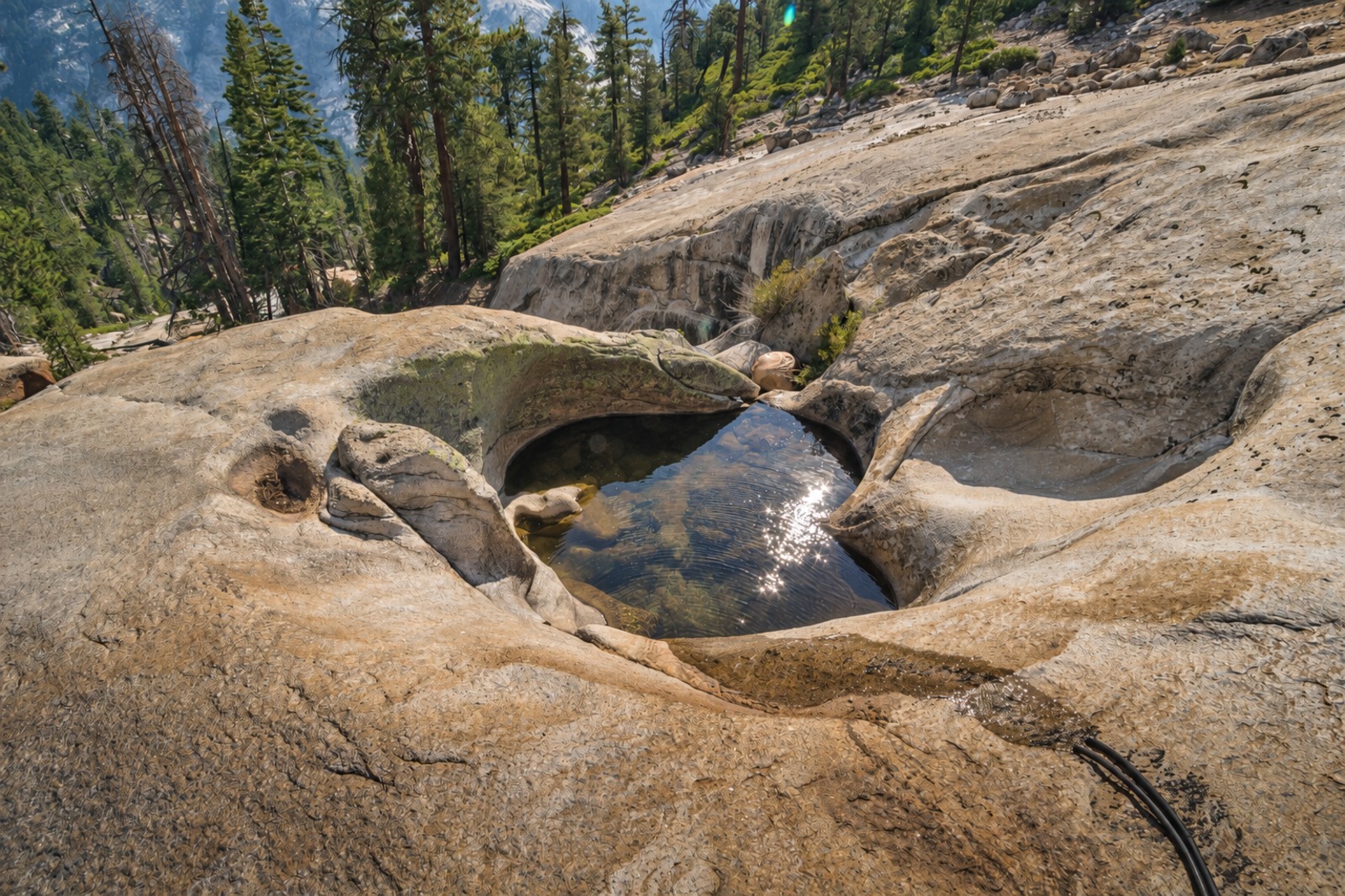
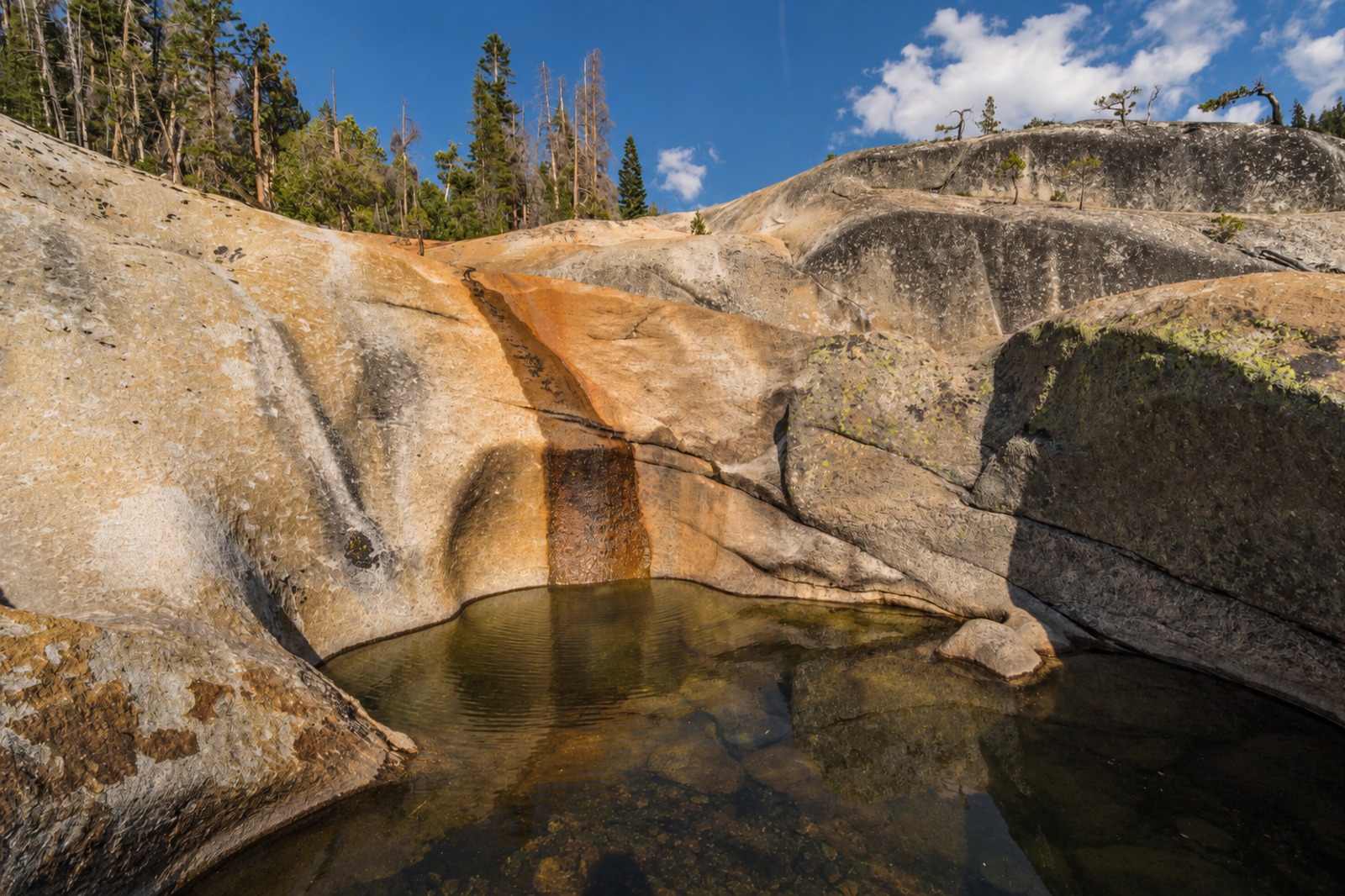
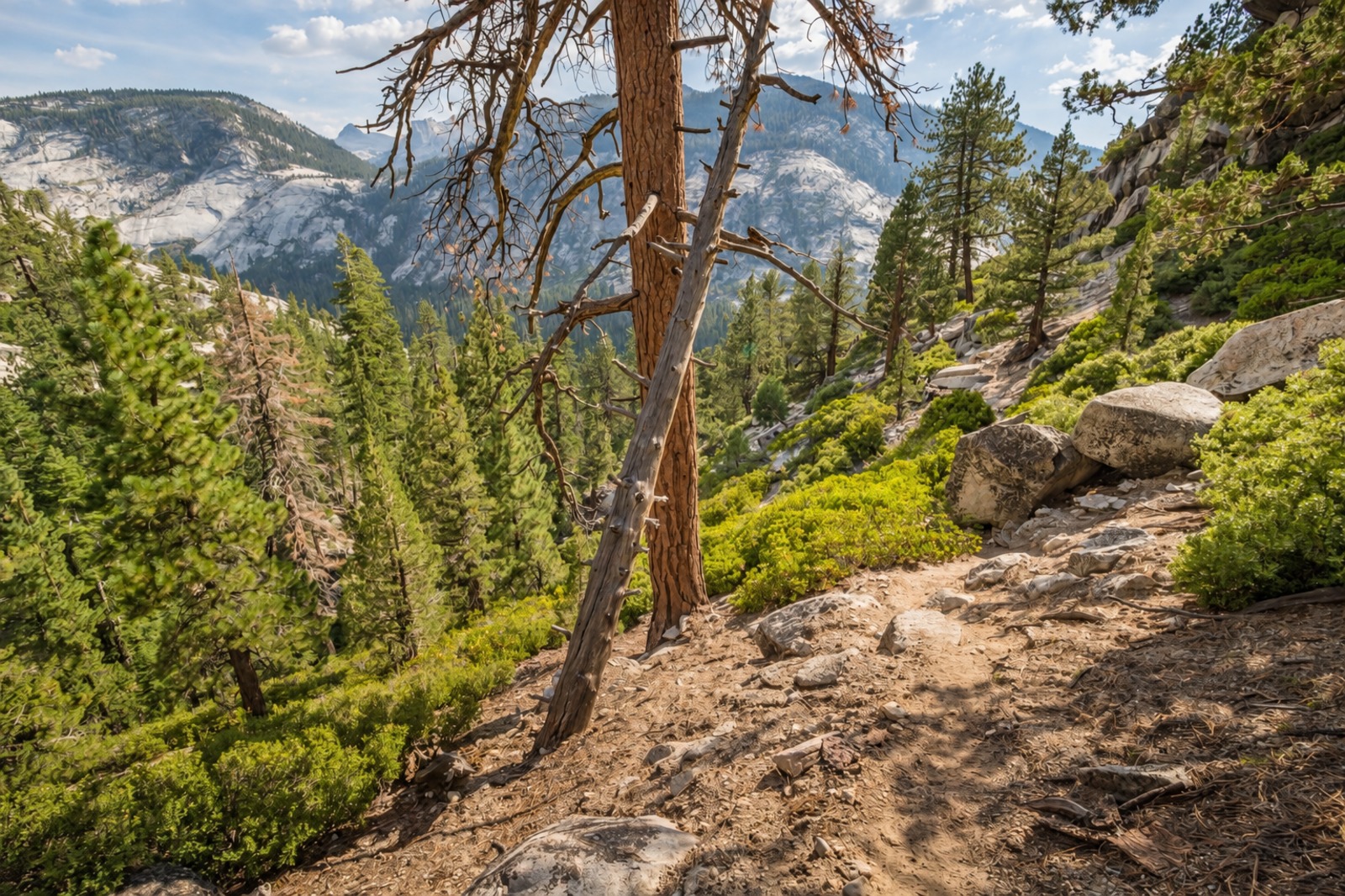
Between Vogelsang and Merced Lake there is a shortcut route the camp crews use, and along it a string of swimming holes. Ask anyone who has worked the loop what they're called: Gary's Shortcut and Gary's Pools. Nothing official — no sign, no USGS label — just the name the crews use, passed along from season to season. It's a small thing, but it says something about how long he's been part of this ground.
That is what the camps accumulate when they operate, decade after decade: not just buildings and beds, but people like Gary — living knowledge of how these places actually work, held by the hands that do the work. It is exactly the kind of quiet institution that makes keeping the camps open worth the effort.