
Merced Lake
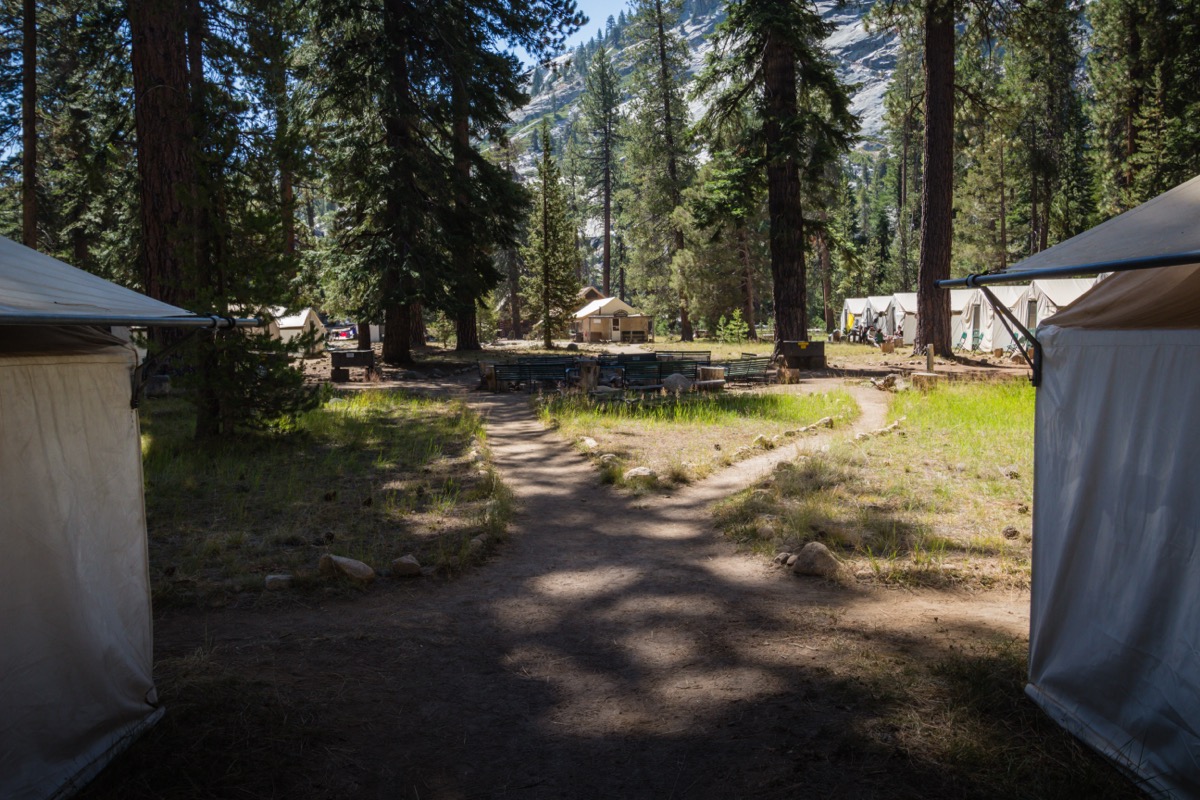
ClosedThe oldest and most remote of the High Sierra Camps, Merced Lake sits at the lowest elevation of the five, on the shore of its namesake lake along the Merced River. Listed on the National Register of Historic Places, it holds over a century of Yosemite history.
Last operated in 2018 — removed from the concession contract in 2025
Gallery
All 29 photos →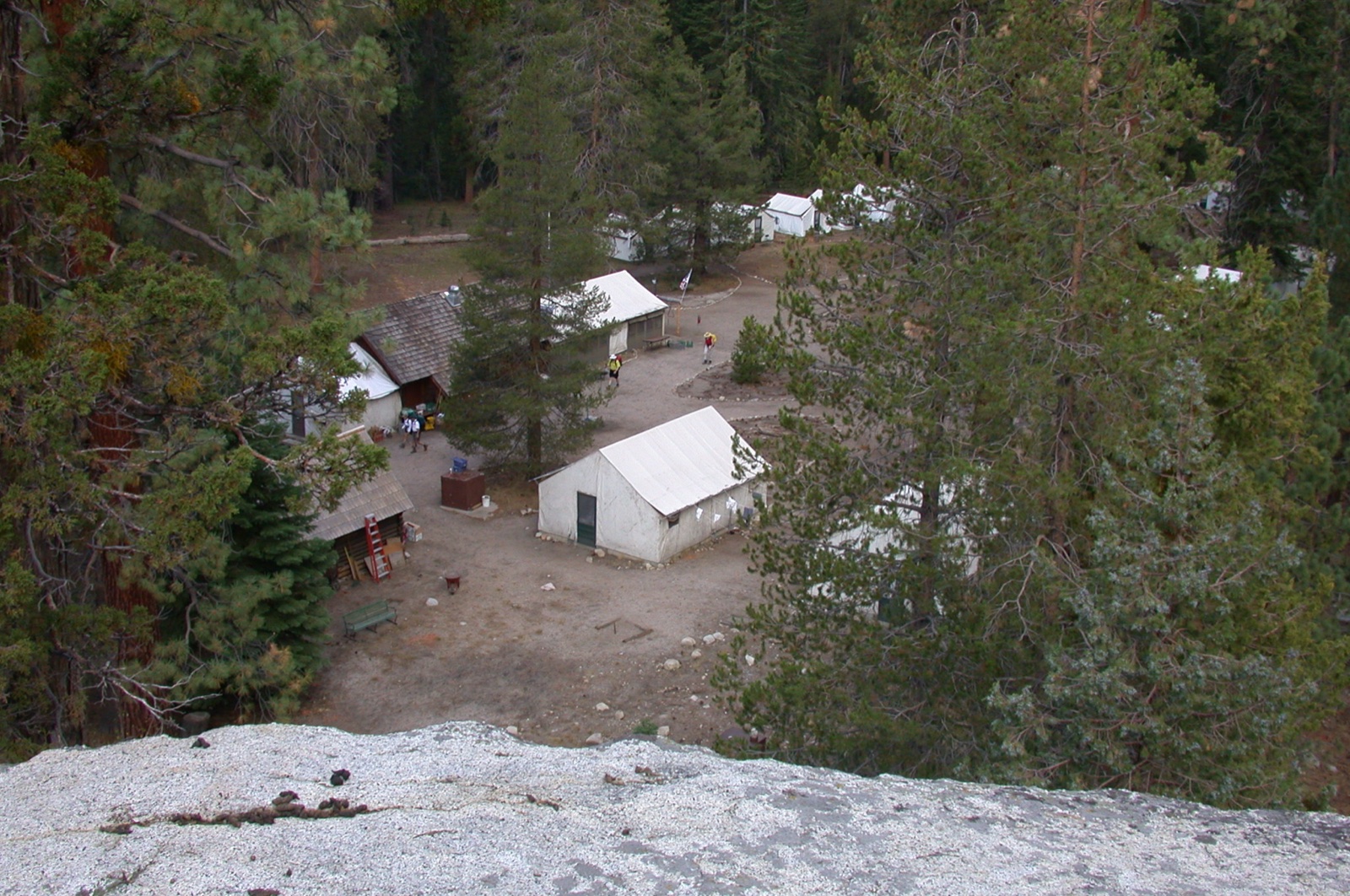
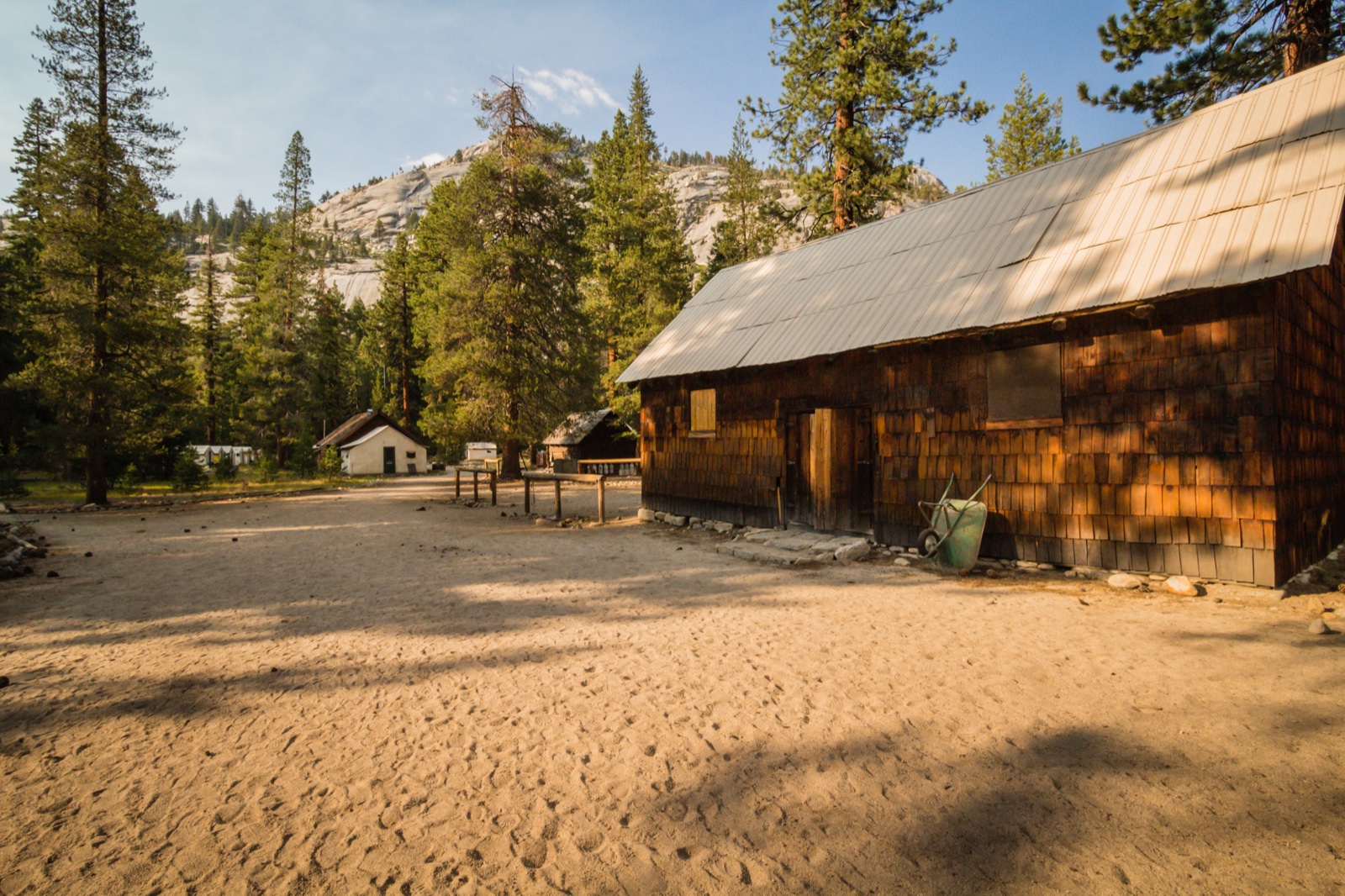
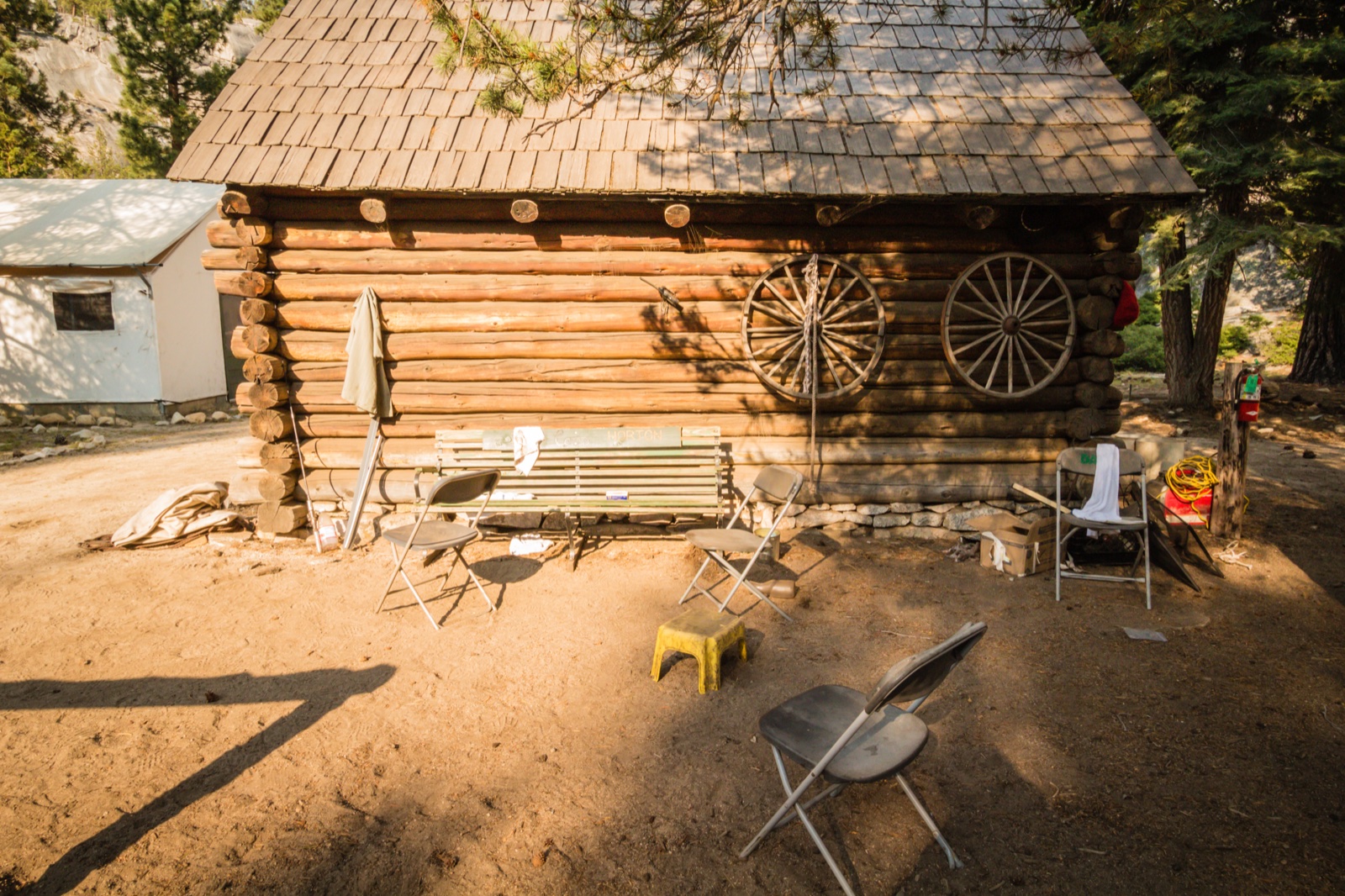
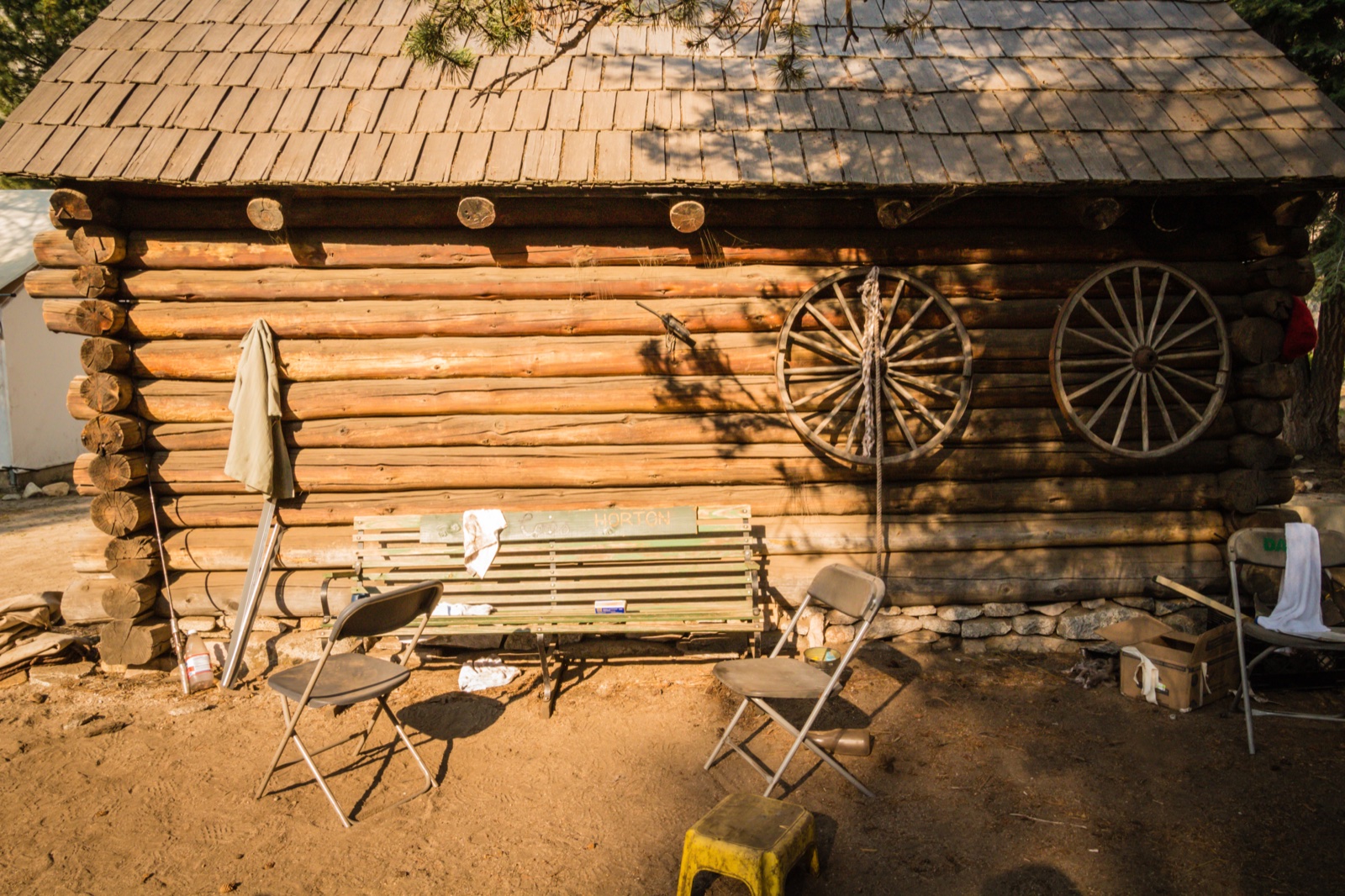
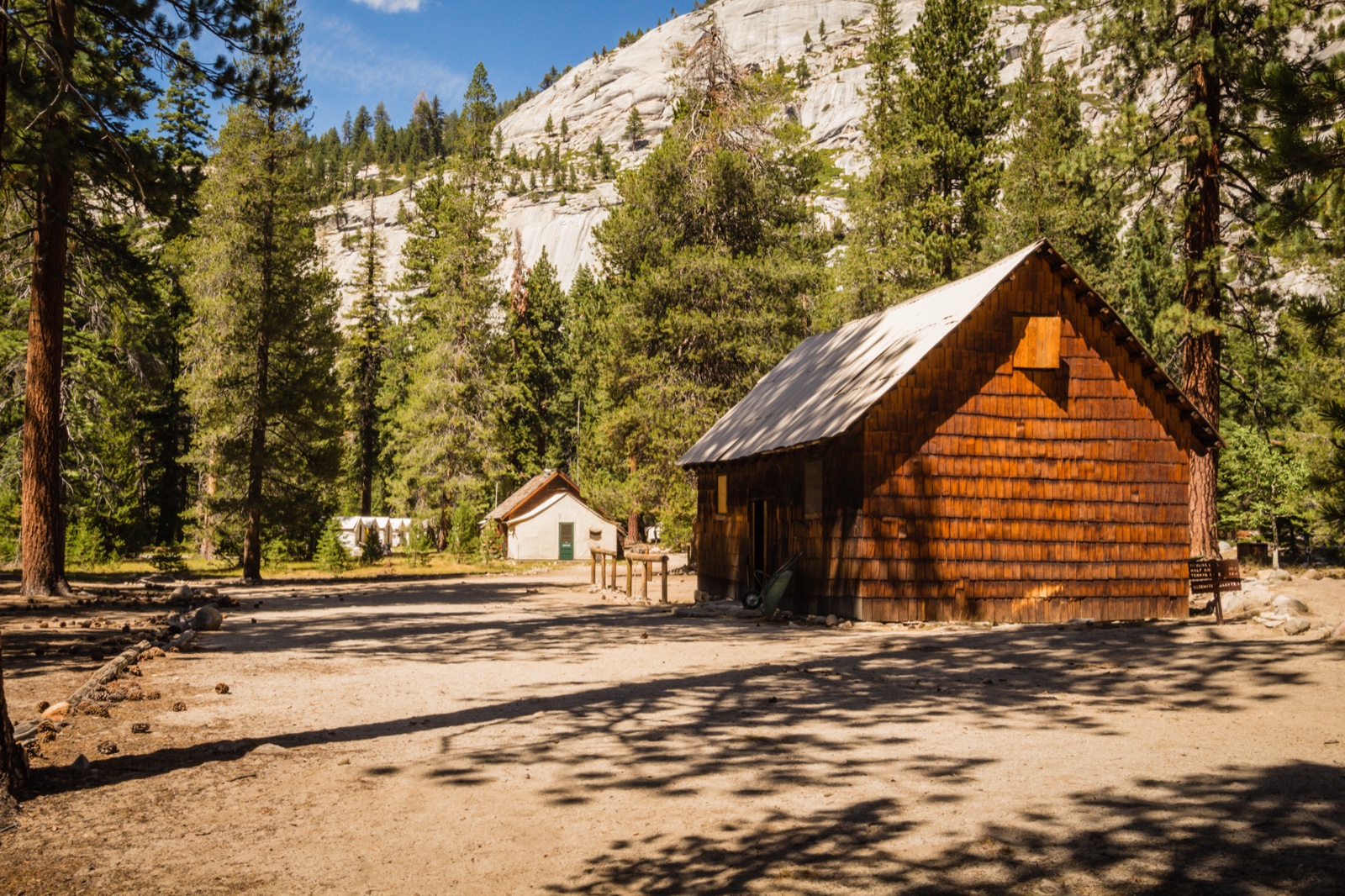
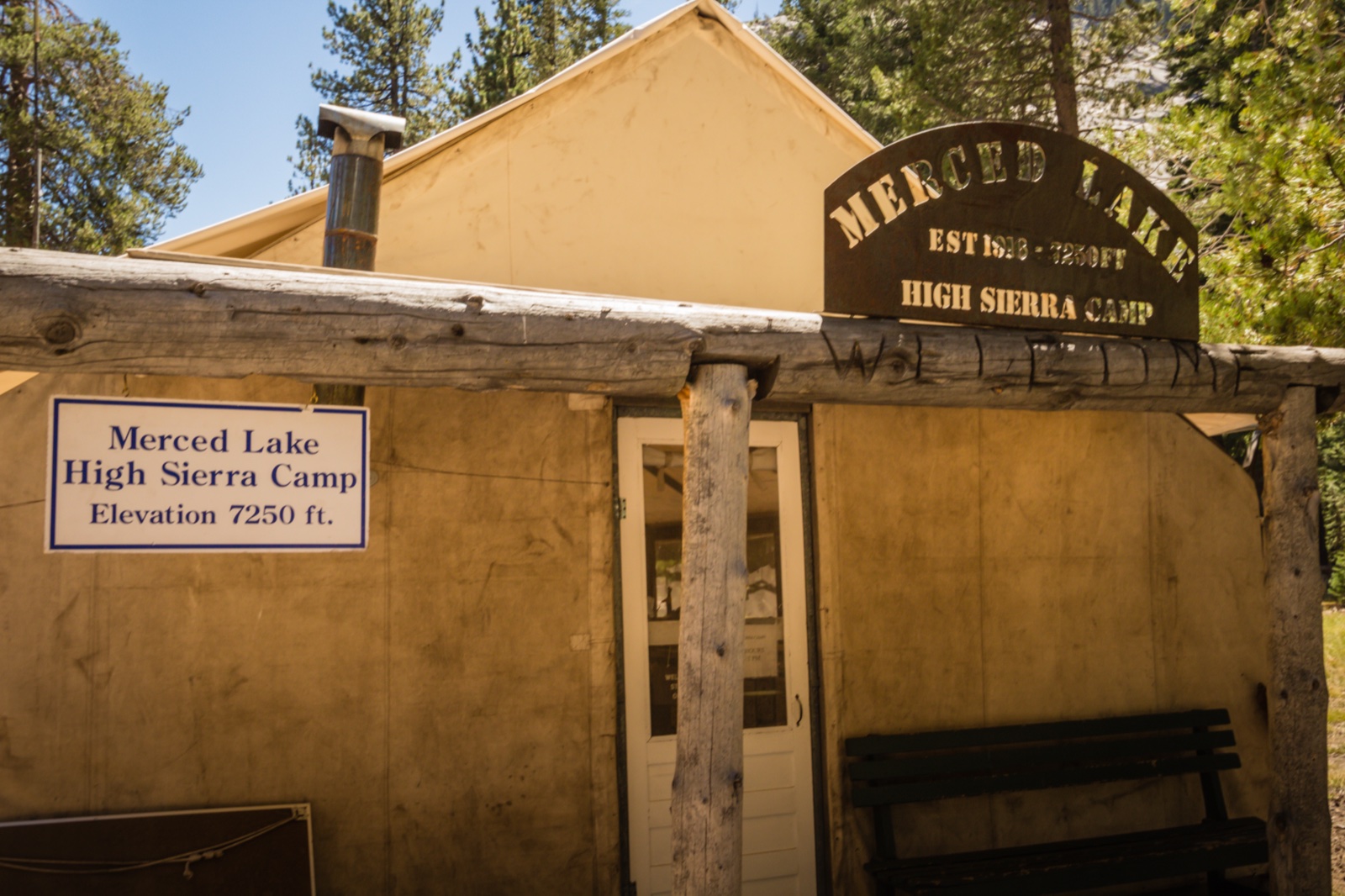
Originally built by D.J. Desmond in 1916 as part of Stephen Mather’s vision to make Yosemite’s backcountry accessible, Merced Lake was the first of the High Sierra Camps. It closed during World War I when Desmond’s company went bankrupt, then reopened in the 1920s under the Yosemite Park and Curry Company. It was added to the National Register of Historic Places on July 18, 2014 (NRIS #14000407).
Native American Era
Pre-1850
Long before European explorers arrived, Merced Lake served as a vital waypoint along trans-Sierra trade routes. The Ahwahneechee (Southern Miwok), Mono Lake Kootzaduka’a, and Western Mono tribes used these trails for centuries, conducting summer trading expeditions across the Sierra Nevada.
The lake and surrounding meadows provided an ideal resting place for trading parties carrying obsidian, pine nuts, and salt from the eastern slopes, while traders from the west brought clamshells, dried fish, and acorns. Archaeological evidence suggests these routes were active for thousands of years, making Merced Lake one of the oldest continuously used sites in the Sierra Nevada.
Military Era
1890–1914
When Yosemite became a national park in 1890, the U.S. Army took responsibility for protecting and managing the wilderness. The cavalry established a patrol outpost at Merced Lake in 1905, recognizing its strategic location for monitoring the backcountry.
Cavalry troops spent summers patrolling the park on horseback, expelling sheepherders whose flocks damaged fragile alpine meadows, confiscating firearms from poachers, and constructing trails that would later become the backbone of the park’s backcountry access system.
Vision & Creation
1916
In 1916, Stephen T. Mather, the first director of the newly created National Park Service, envisioned a network of backcountry camps that would draw visitors out of the congested Yosemite Valley and into the pristine high country. Mather believed that experiencing the wilderness firsthand would create advocates for conservation and the national park ideal.
The Desmond Park Service Company, Yosemite’s concessioner at the time, constructed three “mountain chalets” that summer: Tenaya Lake, Tuolumne Meadows, and Merced Lake. At Merced Lake that meant two 18-by-84-foot rock-and-canvas buildings for the office, lounge, dining room, and kitchen, and twenty-four “guest bungalows” — tents set in two facing rows — with rowboats packed in by mule for the lake. Each camp kept a manager, a cook, and an “expert” fisherman to teach guests to cast. Bed, breakfast, and dinner cost $3.00 a day — revolutionary for backcountry travel at the time.
Boys’ Sports Camp
1922–1924
The camps faced immediate challenges. World War I and the Desmond Company’s bankruptcy closed all three in 1918, after just two seasons. After the war, the reorganized Yosemite National Park Company experimented with different uses for the facilities.
From 1922 to 1924, Merced Lake operated as a boys’ sports camp, complete with basketball courts, tennis courts, and a baseball diamond. This experiment introduced hundreds of young people to the Sierra wilderness, many of whom became lifelong conservationists.
Modern Era
1926–2014
In 1926, the Yosemite Park and Curry Company took over operations with a camp for 20 guests, establishing the template for High Sierra Camps that continues today. The camp proved so popular with long-staying guests that in 1928 it was rebuilt and expanded to house 59 — and became, in the words of the camps’ 1977 history, “the only camp to boast hot-and-cold showers and canvas cabins with permanent floors.” That capacity of 59 held for the next fifty years.
Through the mid-20th century, the camps evolved to meet changing visitor expectations while keeping their rustic character. Concrete foundations replaced dirt floors and propane replaced kerosene for cooking, while Merced Lake kept its reputation as the most “luxurious” of the High Sierra Camps.
On July 18, 2014, Merced Lake High Sierra Camp was added to the National Register of Historic Places (NRIS #14000407), recognizing its significance in American conservation history, outdoor recreation, and wilderness education.
Contemporary Challenges
2015–Present
In 2015, the Yosemite Valley Stables — the camp’s traditional supply base — gave its last public trail rides under the park’s river plans, staying on solely to supply the High Sierra Camps by pack mule. Meanwhile, increasing wildfire activity has periodically closed access trails. When the current concession contract took effect in 2016, Merced Lake was reduced from 22 tent cabins to 11, cutting its capacity by 18 guest beds. Between 2017 and 2025, the camp was open only once, in 2018.
In February 2025, the camp’s status changed formally: Amendment No. 4 to the Yosemite concession contract — obtained through a Freedom of Information Act request — removed Merced Lake and Vogelsang from the concessioner’s required services and assigned facilities, ending all contract rights and obligations for the two camps. The amendment records the reason in the Park Service’s own words: it “can no longer provide potable water at two of the five High Sierra Camps.” The same amendment removed the Yosemite Valley Stables — the camp’s century-old supply base — from the contract as well.
The stables’ removal changes the camp’s logistics as much as its status. For a century, everything Merced Lake needed came up the Merced River canyon by mule — thirteen trail miles from the Valley floor. With the Valley stables gone from the contract, the one stable still packing to the High Sierra Camps is at Tuolumne Meadows, and any future resupply would have to come from there instead: roughly fifteen trail miles over the high country via Lyell Canyon, the longest haul to any of the five camps.
Merced Lake is now closed and outside any operating contract, its government-owned buildings still standing on the lakeshore. It remains off the 2026 guided loop, with no announced plan for its future — yet more than a century of history, and a place on the National Register, argue for one.
Timeline
- Pre-1850
Native American Trading Area
Merced Lake served as an important stop along trans-Sierra trade routes used by Miwok, Mono Lake Kootzaduka'a, and Western Mono tribes. Summer trading expeditions brought obsidian, pine nuts, and salt from the east, while clamshells and dried fish came from the west.
- 1905
Cavalry Outpost Established
US Cavalry establishes a patrol outpost at Merced Lake as part of their summer operations protecting Yosemite — patrolling the park, expelling sheepherders and trespassers, confiscating firearms, and constructing trails throughout the backcountry.
- 1916
First Hikers' Camp
Merced Lake opens as a hikers' camp under the Desmond Park Service Company, providing basic accommodations for backcountry travelers — the beginning of organized recreational camping at the lake.
- 1918
World War I Closure
The camp closes in 1918, along with the other two Desmond camps, as World War I and the Desmond Company's bankruptcy end the first experiment after two seasons.
- 1922
Boys' Sports Camp
The camp reopens as a boys' sports camp offering wilderness activities and outdoor education, with basketball courts, tennis courts, and a baseball diamond.
- 1926
High Sierra Camp System
The Yosemite Park and Curry Company begins operating Merced Lake as part of the High Sierra Camps network, with room for 20 guests — establishing the template that continues today.
- 1928
Rebuilt for 59 Guests
Popular with long-staying guests, the camp is rebuilt and expanded to house 59 — and becomes the only High Sierra Camp with hot-and-cold showers and canvas cabins on permanent floors. Its capacity holds at 59 for the next half century.
- 2014
Historic Designation
Merced Lake High Sierra Camp is added to the National Register of Historic Places on July 18, 2014 (NRIS #14000407), recognizing its significance in Yosemite's High Sierra Camps system.
- 2015
Public Rides End at the Valley Stables
The Yosemite Valley Stables — Merced Lake's traditional supply base, thirteen trail miles down the canyon — gives its last public trail rides in fall 2015 under the park's river plans. The stables stay on with a single job: supplying the High Sierra Camps by pack mule.
- 2016
Camp Halved Under New Contract
The current concession contract takes effect with Merced Lake reduced from 22 tent cabins to 11 — a loss of 18 guest beds — under the terms set out in the 2014 prospectus.
- 2017–2025
Extended Closure Period
The camp faces unprecedented closures due to excessive snow, operational challenges, and the COVID-19 pandemic — open only in 2018 across this nine-year period.
- 2025
Removed from the Concession Contract
In February 2025, Amendment No. 4 to the Yosemite concession contract removes Merced Lake and Vogelsang from the concessioner's required services and assigned facilities, ending all contract rights and obligations for the two camps. The amendment states the reason: the Park Service "can no longer provide potable water at two of the five High Sierra Camps."
- Today
Uncertain Future
No longer part of any operating contract, Merced Lake sits closed — its government-owned buildings still standing on the lakeshore. The oldest High Sierra Camp is off the 2026 guided loop, with no announced plan for its future.