
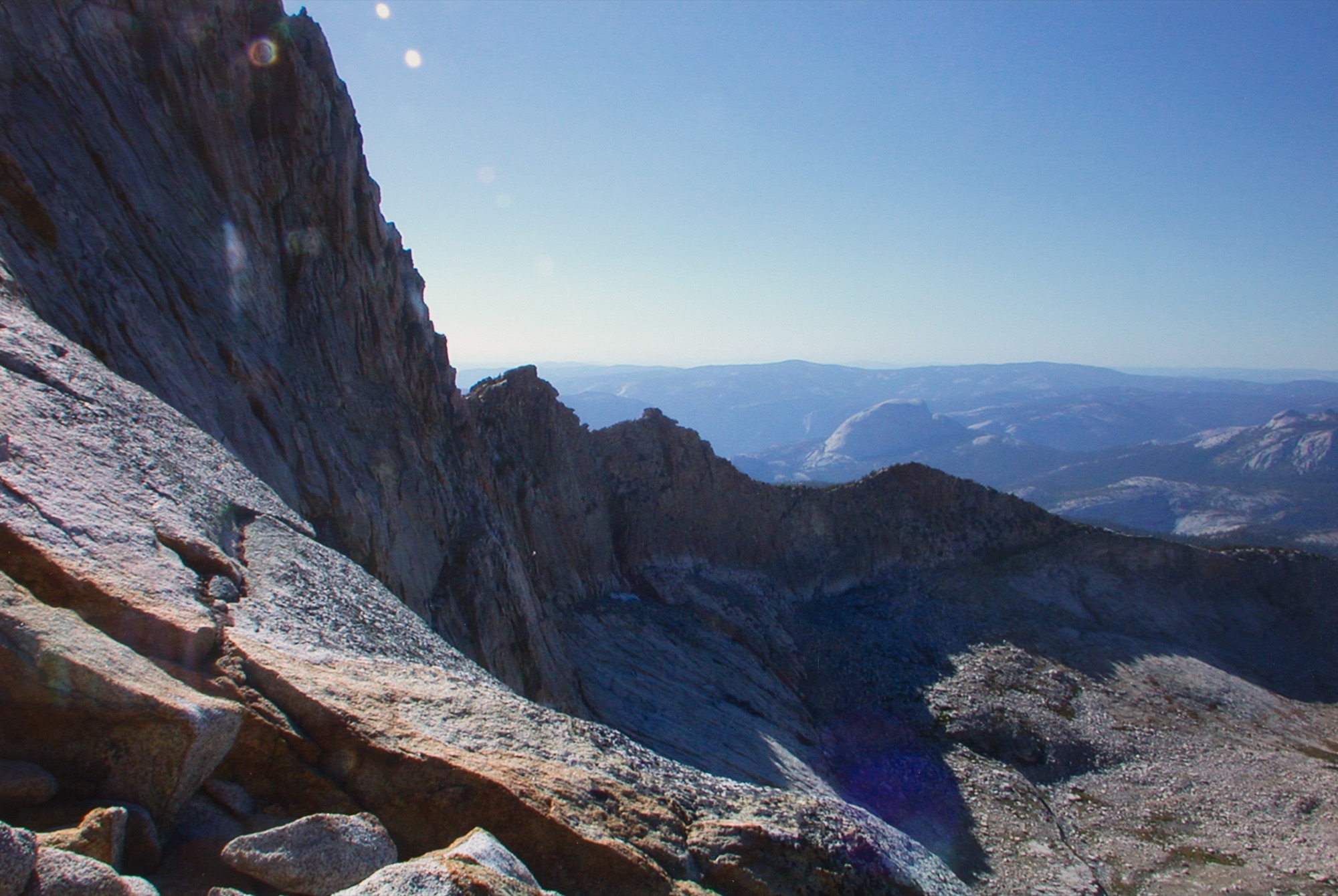
Stephen Mather
1867–1930The first director of the National Park Service — and the man whose 1916 vision of a chain of backcountry camps gave rise to Yosemite's five High Sierra Camps.
Stephen Tyng Mather was a borax millionaire who spent the second half of his life, and a good deal of his fortune, building the national park system Americans know today. Restless and relentlessly energetic — friends called him the "Eternal Freshman" — he believed that the surest way to protect wild places was to help ordinary people fall in love with them in person.
From borax to the backcountry
Born in San Francisco on July 4, 1867 and educated at UC Berkeley, Mather made his name in industry before he made it in conservation. Working for the Pacific Coast Borax Company, he coined the enduring "20 Mule Team Borax" brand; a later venture, the Thorkildsen-Mather Borax Company, made him a millionaire by 1914. That independent wealth would fund parks, publicity, and staff salaries out of his own pocket for the rest of his life.
A 1904 trip to Europe, where public parks were open and accessible to all, rekindled a love of the outdoors he traced back to the Sierra. He joined the Sierra Club that year and became an admirer of John Muir. By 1915, frustrated that America's scattered parks had no unified steward, he had taken a post as special assistant to the Secretary of the Interior — and set about creating one.
Founding the Park Service
Mather was a gifted promoter. In 1915 he led the "Mather Mountain Party," guiding congressmen, editors, and photographers on a lavish two-week trek through Sequoia to win them over to the parks — and it worked, loosening both federal and private purse strings. On August 25, 1916, President Wilson signed the act creating the National Park Service, and in 1917 Mather became its first director.
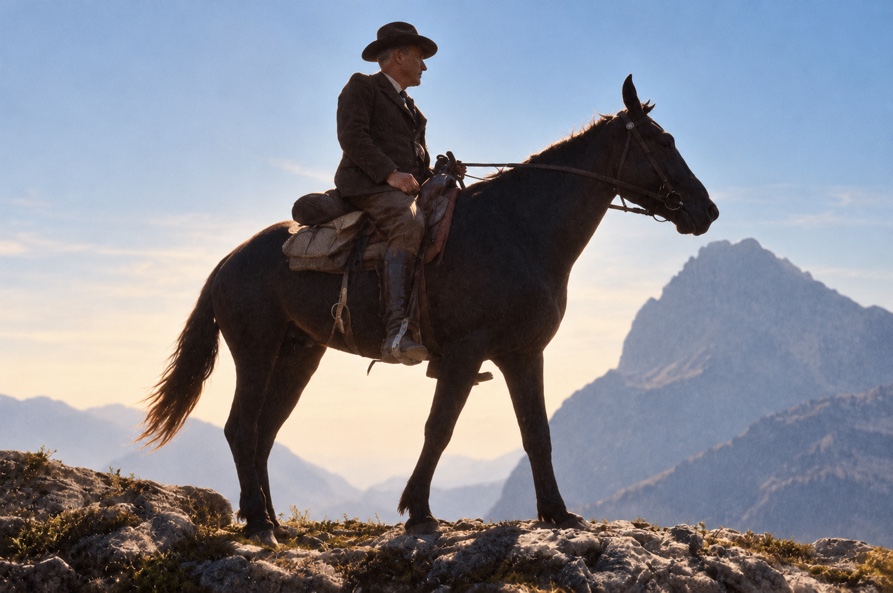
Over nearly twelve years he professionalized the young agency, grew the system from 14 national parks to 20, and championed the idea that comfortable, well-run visitor facilities were not a compromise of wilderness but the very thing that would create its defenders. Every visitor who spent a good night under the stars, he reasoned, came home an advocate.
The High Sierra Camps
Yosemite was where that philosophy took its most enduring form. In 1916, Mather imagined a network of modest tent-cabin camps threaded through the high country above Yosemite Valley — each a day's hike from the next, close enough to walk between carrying only a daypack, with a bed and a hot meal waiting at the end of the day. The Desmond Park Service Company built the first camps that very summer, Merced Lake among them.
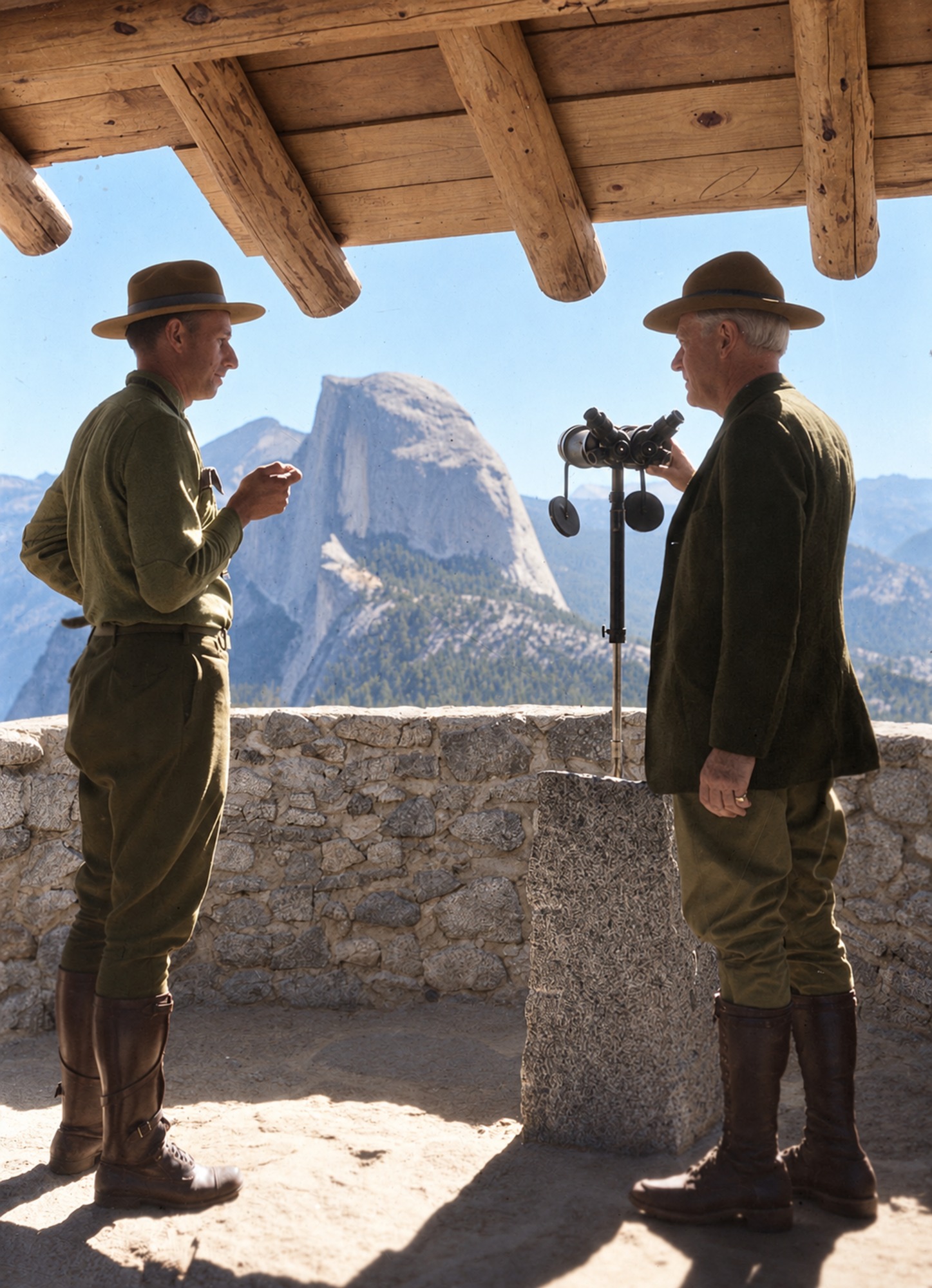
Over the following decades that idea grew into the five High Sierra Camps — Merced Lake, Vogelsang, Glen Aulin, May Lake, and Sunrise — strung along a 51-mile loop that introduced generations of hikers, families, and schoolchildren to the Sierra. The camps are, in a real sense, Mather's vision made physical: proof that access and preservation can share the same trail.
Illness, death, and legacy
Mather struggled throughout his life with what was then called manic-depression — bipolar disorder — and his trusted deputy Horace Albright ran the agency through his periodic absences before succeeding him as director. A stroke forced Mather's resignation in January 1929, and he died a year later, on January 22, 1930.
After his death, admirers cast bronze plaques in his memory and set them in national parks across the country; today dozens of sites carry one. Each closes with the same tribute, first spoken of Mather on the floor of Congress:
There will never come an end to the good that he has done.